A Basic Longevity Rundown!
Aging is something we all experience, but have you ever wondered what’s actually happening in your body as the years go by?
Scientists have been studying this for decades, and while it’s complicated, the basics are pretty fascinating—and not too hard to grasp. Here’s a look at what’s going on behind the scenes, explained in a way anyone can understand.
Why Do We Age?
At its core, aging is about wear and tear. Imagine your body like a car: over time, parts get rusty, the engine doesn’t purr like it used to, and little breakdowns pile up. For us, this happens because our cells—the tiny building blocks that make up everything in our bodies—don’t work as well as they did when we were young. But why does that happen? Let’s break it down.
1. The DNA Dilemma
Every cell in your body has DNA, which is like an instruction manual for how to keep you running. When you’re young, your cells are great at following these instructions and fixing any mistakes.
But as you age, two things go wrong:
- **Damage Adds Up**: Things like sunlight, pollution, or even just breathing (yes, oxygen can be tough on us!) cause tiny scratches and dents in your DNA. Over time, these pile up.
- **Repairs Slow Down**: Your body has repair crews that fix DNA damage, but they get slower and less efficient as you get older. It’s like having a handyman who starts taking longer coffee breaks.
When DNA gets too messed up, cells can’t do their jobs right—skin cells stop making fresh skin, muscle cells weaken, and so on. That’s a big part of why we see wrinkles or feel creaky.
2. Telomeres: The Countdown Clock
Here’s a cool fact: every time your cells divide to replace old ones, they lose a little something called telomeres.
Think of telomeres as the plastic tips on shoelaces that keep them from fraying. They’re at the ends of your DNA strands, protecting them. Each time a cell splits, the telomeres get shorter.
When they’re too short, the cell says, “I’m done!” and stops dividing. No new cells mean tissues like your skin or organs start to wear out.
Scientists think this is like a built-in clock for aging—though lifestyle (like eating well or exercising) can slow it down a bit.
3. Energy Factories Breaking Down
Inside your cells are tiny power plants called mitochondria. They turn food into energy so you can move, think, and live. But over time, these power plants get leaky and sloppy.
They start producing “free radicals”—unstable molecules that bounce around like wrecking balls, damaging DNA, proteins, and anything else they hit.
When mitochondria don’t work well, your cells run out of steam, and that tiredness shows up as aging.
4. Trash Buildup
Your cells are constantly making waste—like leftovers from building proteins or fighting off germs.
When you’re young, your body’s cleanup crew (called lysosomes) sweeps it away.
But as you age, the crew gets overwhelmed, and junk piles up inside cells. This gunk can clog things up, making cells sluggish or even causing diseases like Alzheimer’s, where sticky plaques form in the brain.
What Speeds It Up or Slows It Down?
Aging isn’t just random—it’s influenced by how you live. Smoking, too much sun, or a diet of junk food dumps more damage on your DNA and mitochondria, speeding things up.
On the flip side, exercise, sleep, and eating veggies can help your repair crews and keep those telomeres longer. It’s not a fountain of youth, but it’s like giving your car regular tune-ups instead of driving it into the ground.
Can Science Stop It?
Scientists are trying! They’re testing ideas like:
- Drugs to boost DNA repair or clean out cell junk.
- Ways to protect telomeres so cells keep dividing longer.
- Even copying tricks from animals like turtles, which age super slowly.
But for now, aging is a natural part of life. The good news? Understanding it helps us live better while we’re here—less “rust,” more energy, and maybe a few less wrinkles along the way.
So, next time you blow out birthday candles, think about those hardworking cells. They’re doing their best, and science is figuring out how to give them a hand!
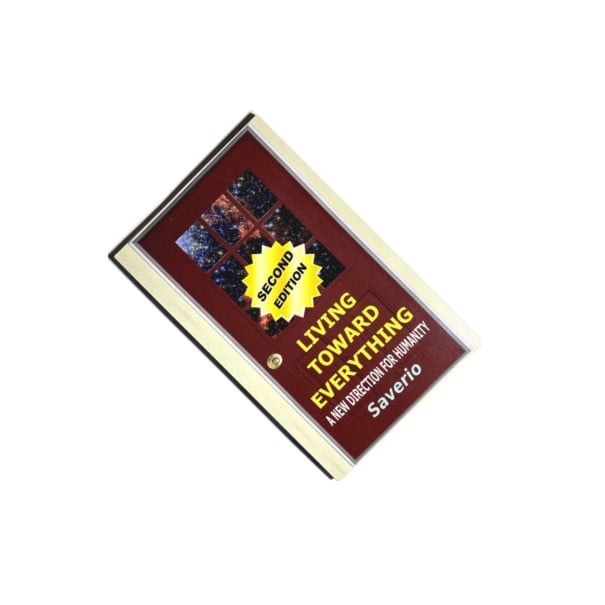
Taken from the newest edition of
Living Toward Everything.
Scroll Down for a Free E-Book version